The demo reel, with sound · The storm, MiniMax H3 · XPLDV, exploded views for LTX-2.5 · Explorations, image to video · Character sheets to a shot · SDR to HDR with a video model · The ship in a bottle · The ComfyUI node pack behind four of the clips · Agent Orrery
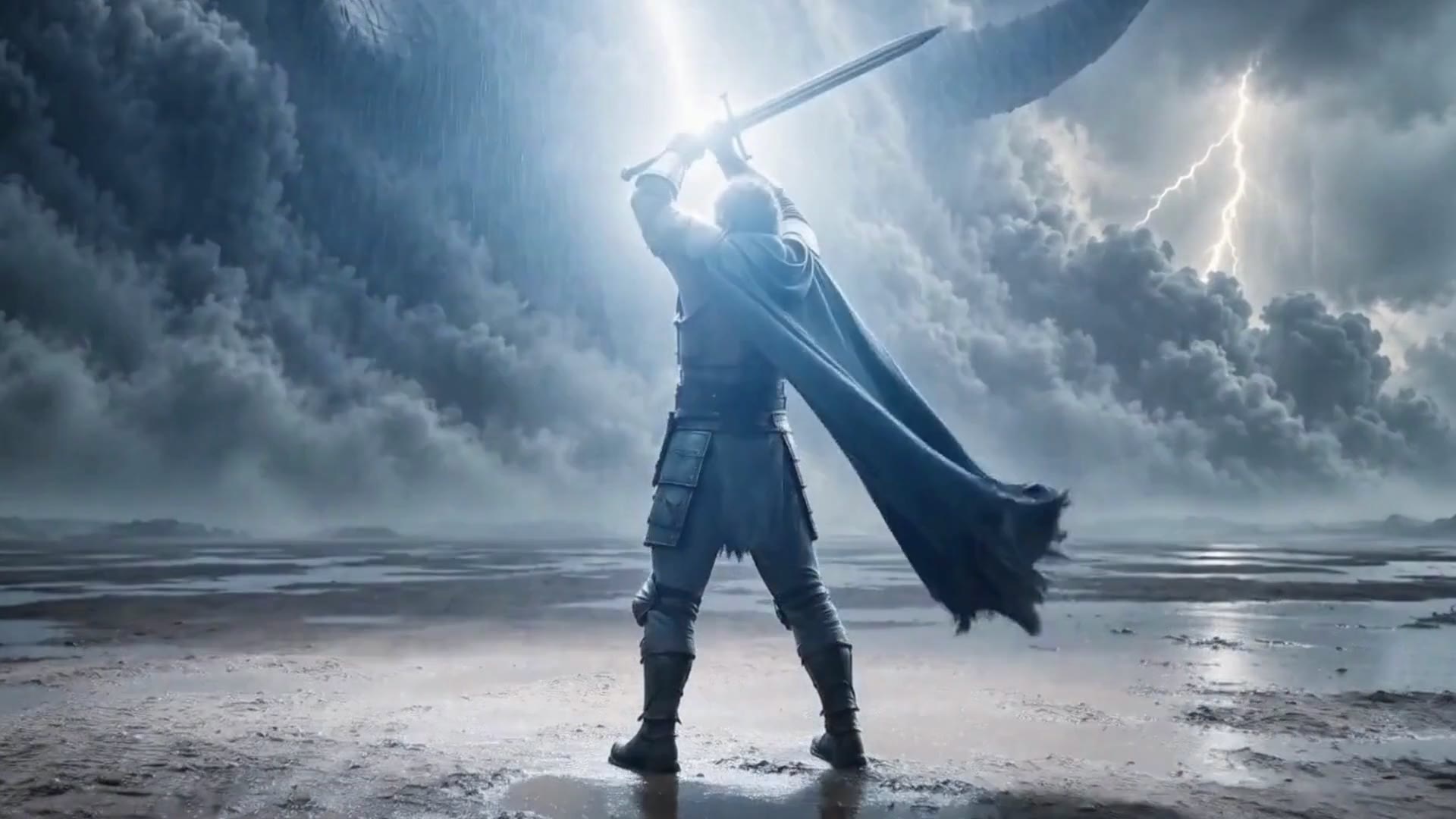
Ten pieces in just over two minutes. A storm I generated as the opener, the XPLDV training wall and a three-way test of the LoRA, two image-to-video takes, three character sheets composed into one frame with Qwen-Image 2.1 and driven through LTX-2.5 and MiniMax H3 side by side, an SDR to HDR conversion with a video model, the ComfyUI node pack I built that four of these clips came through, and Agent Orrery. The captions name the tools.
Runtime
2:03
Sound
Music bed, captions burned in
Made
October 2026
02 · Model training · XPLDV
Take it apart
A LoRA for LTX-2.5 that turns one image into an animated exploded view, trained on objects I rendered in Blender.
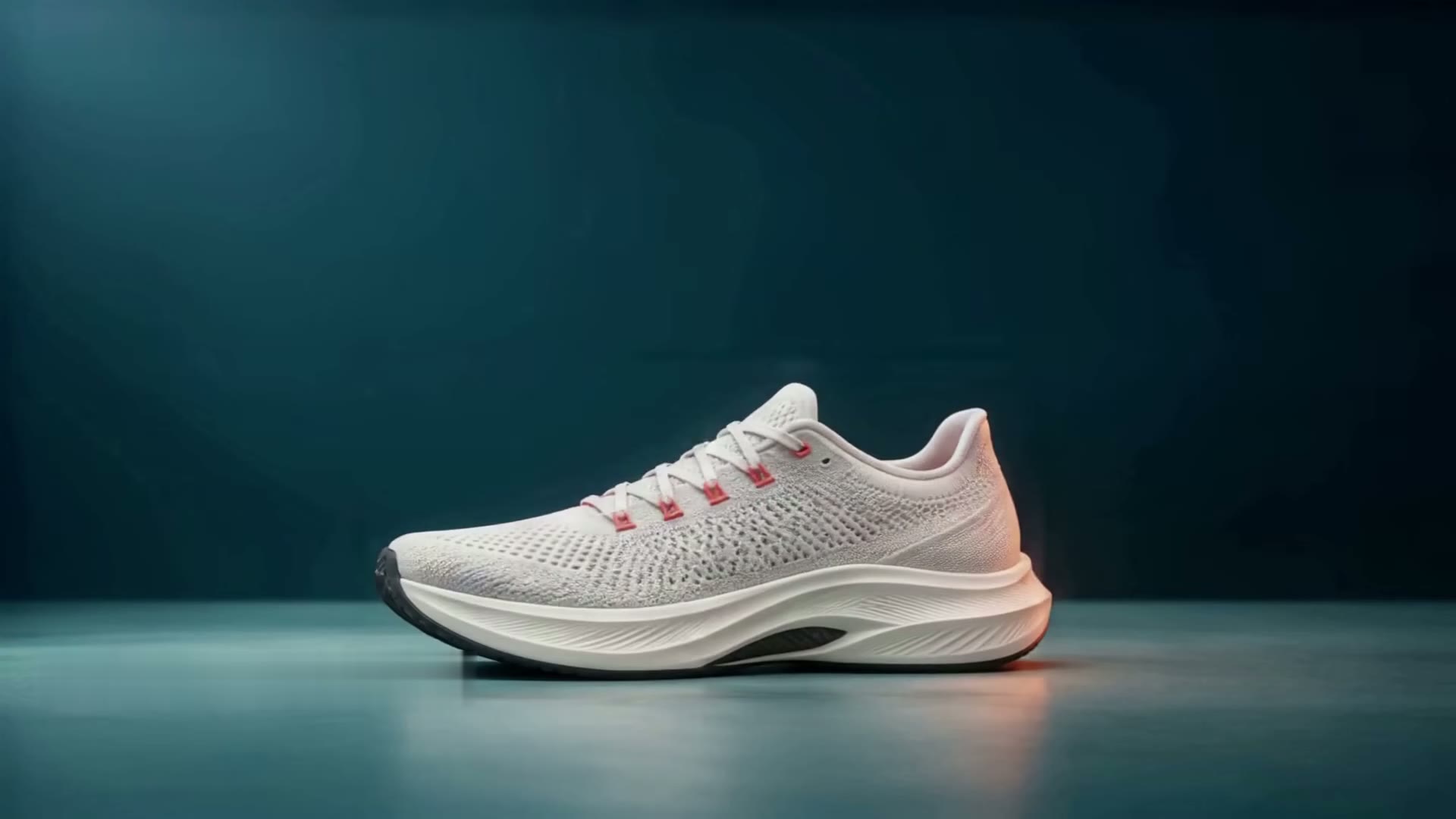
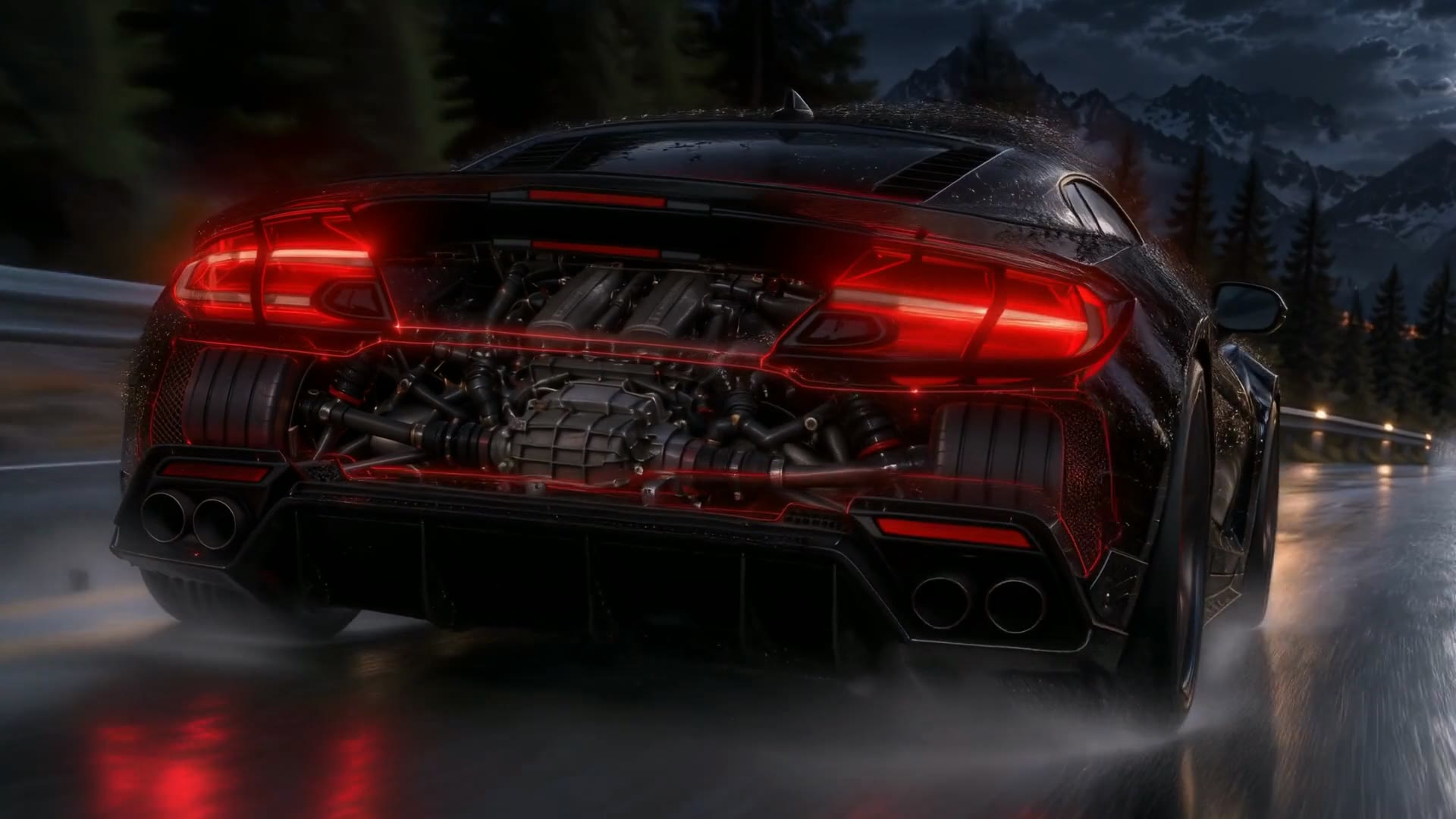
I trained a LoRA for LTX-2.5 that turns one source image into an animated exploded view. No training data existed for this, so I built it: 256 clips of 102 original multipart objects rendered in Blender, 204 separations and 52 reversed reassemblies. The model, a how-to guide and comparison clips are on Hugging Face.
The picture above is a frame of Beyond the Surface, the finished piece, at 0:05, before the shoe comes apart.
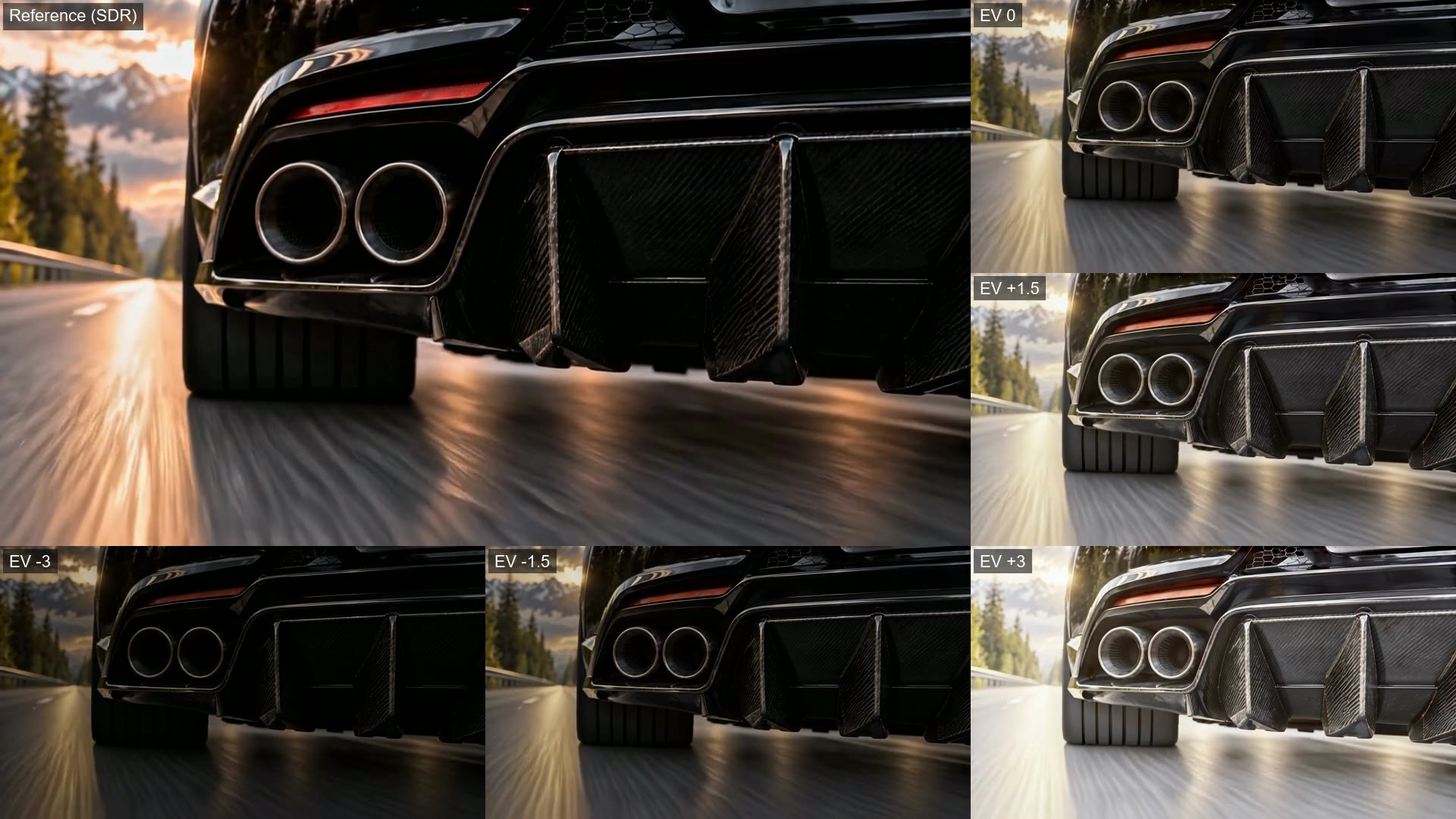
An evaluation of an LTX-2.5 IC-LoRA that converts standard-range video to HDR, which I ran on a 45-second generated clip. Both halves of the comparison drop three stops: the SDR side stops at white, the HDR side does not. The output is EXR frames and an HLG BT.2020 10-bit master, and every frame and exposure comparison is published as a dataset. Along the way I diagnosed the artifacts that show up in long clips and documented an encoding setup that avoids them.
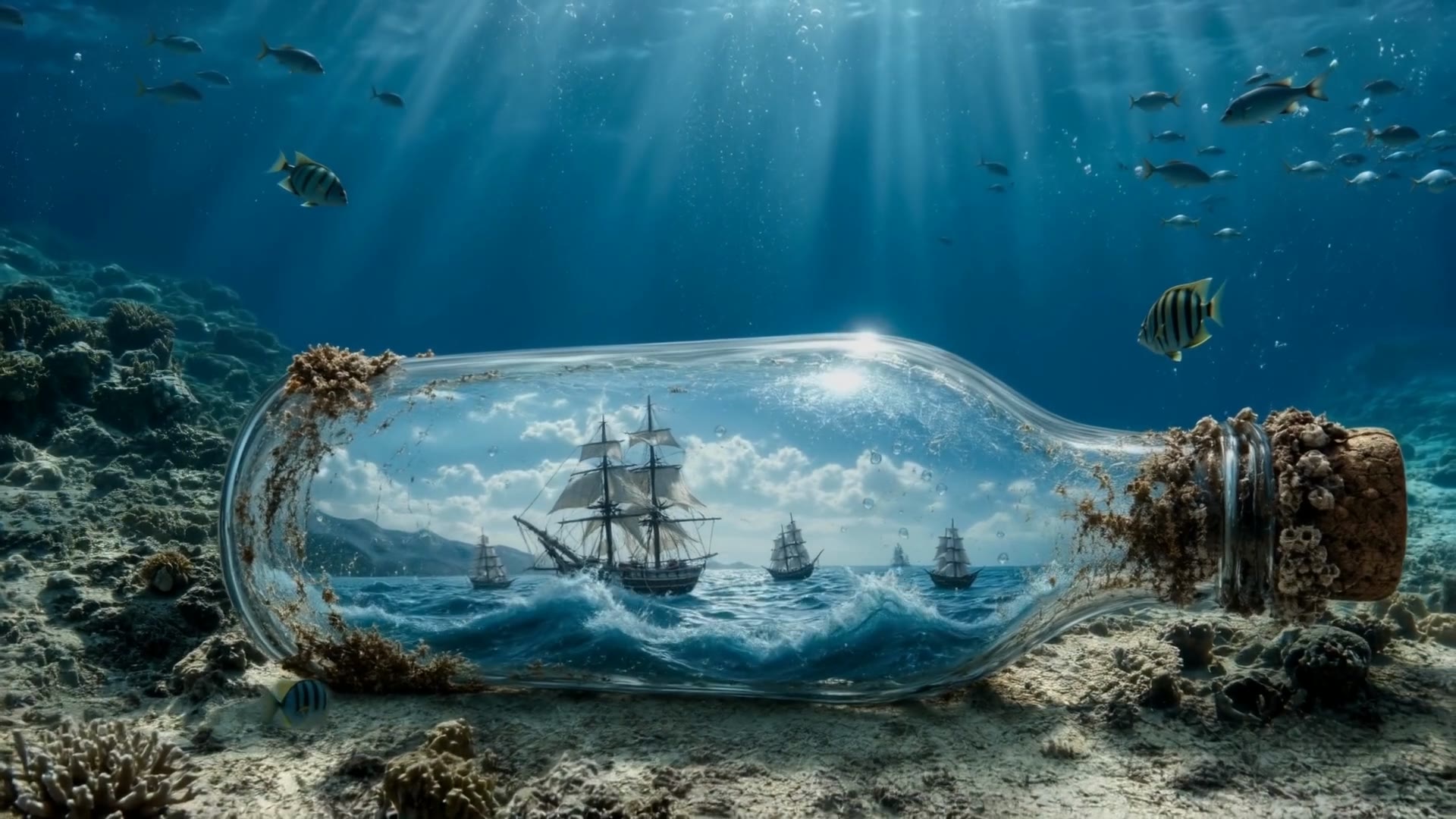
Two takes with LTX-2.5 shown whole, a ship in a bottle on the sea floor and a cosmic flyby. Then one storm scene made twice and played side by side: LTX-2.5 on the left, and on the right MiniMax H3 at 864 by 480, upscaled to twice that size with LTX-2.5. After them, five earlier short films I made with LTX 2.3 image to video, four of them with their own sound.
Films
Eight, 3:35 in all
Models
LTX-2.5, MiniMax H3, LTX 2.3
Plays
Choose one; once it plays, the programme runs on into the next
05 · Application · Agent Orrery
Watch the agents
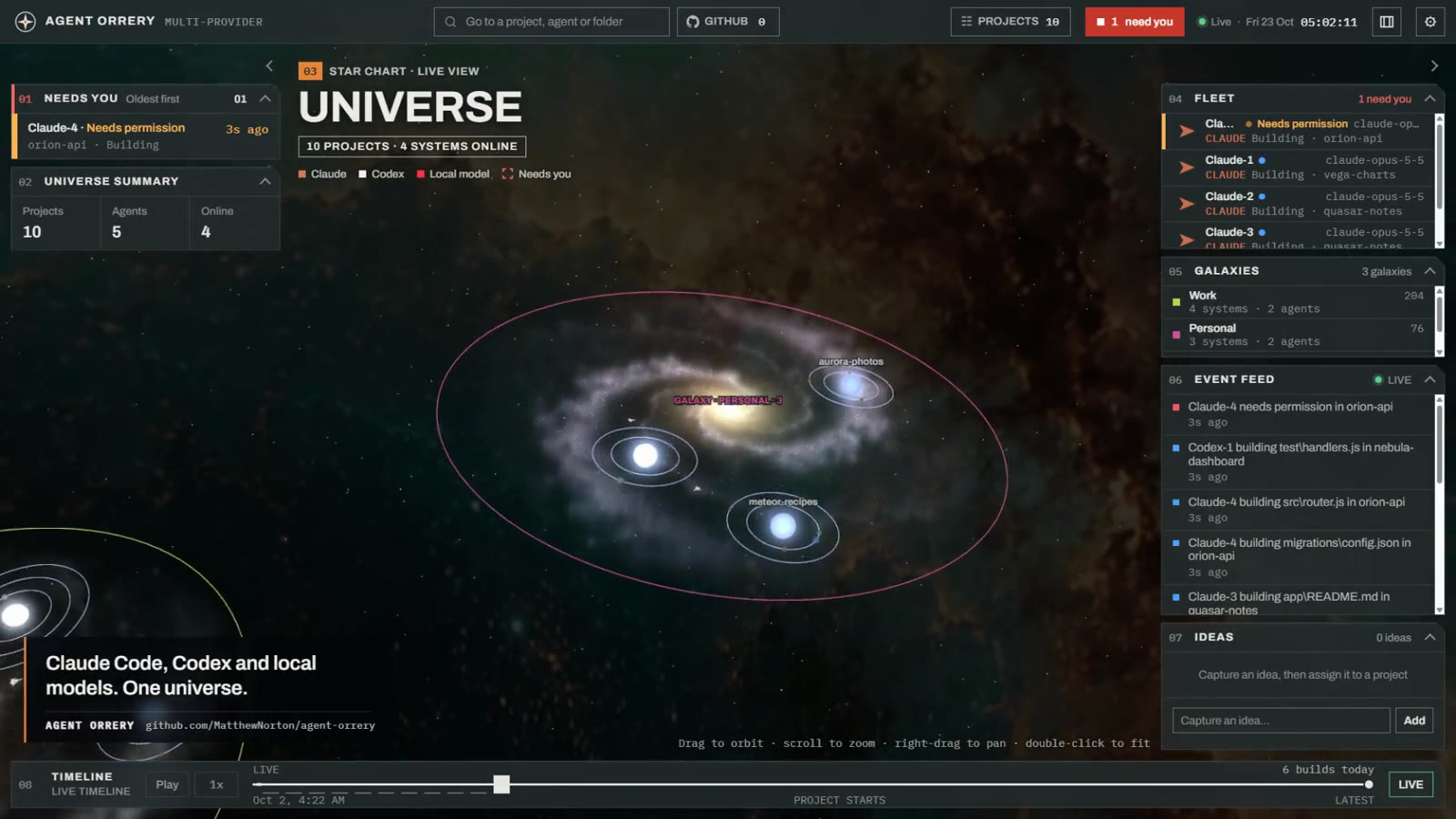
A desktop app that turns Claude Code and Codex sessions into a universe you can fly around.
A desktop app I built that turns Claude Code and Codex sessions into a universe you can fly around. Every project is a solar system, related projects cluster into galaxies, a live session is a starship, a subagent a drone, and every verified file edit grows a planet. It only observes: it tails the agents’ transcript files and never controls them. A replay source indexes past transcripts, so you can scrub back and watch a session play out.
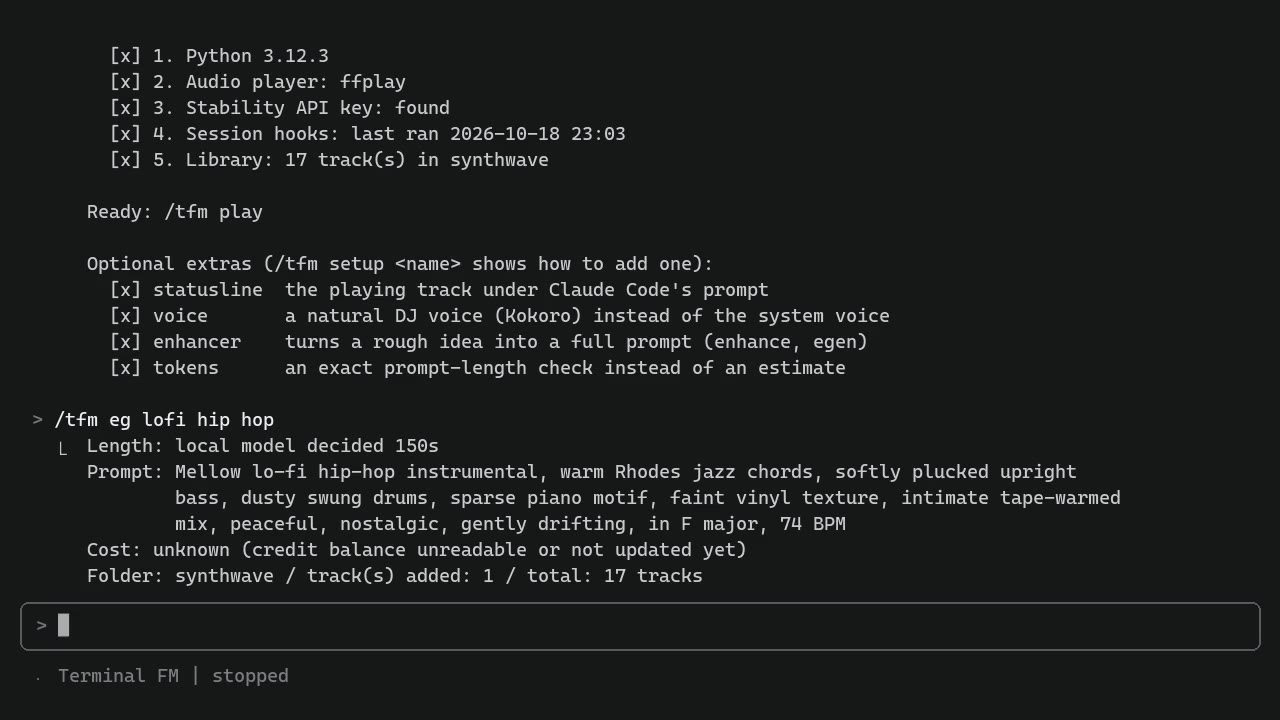
Background music for Claude Code sessions. Terminal FM makes tracks with Stability AI’s Stable Audio 3, keeps them in a library on your computer and plays them on shuffle while you work. Between songs, a DJ voice reads out what Claude just finished. I wrote it in plain Python with nothing to install, for Windows, macOS and Linux, with a setup wizard and automated tests on all three.
The demo runs 67 seconds: setup, making a track, the DJ, a skip. The terminal is drawn frame by frame, not screen-recorded; the Claude reply is a sample; the generation step is sped up.
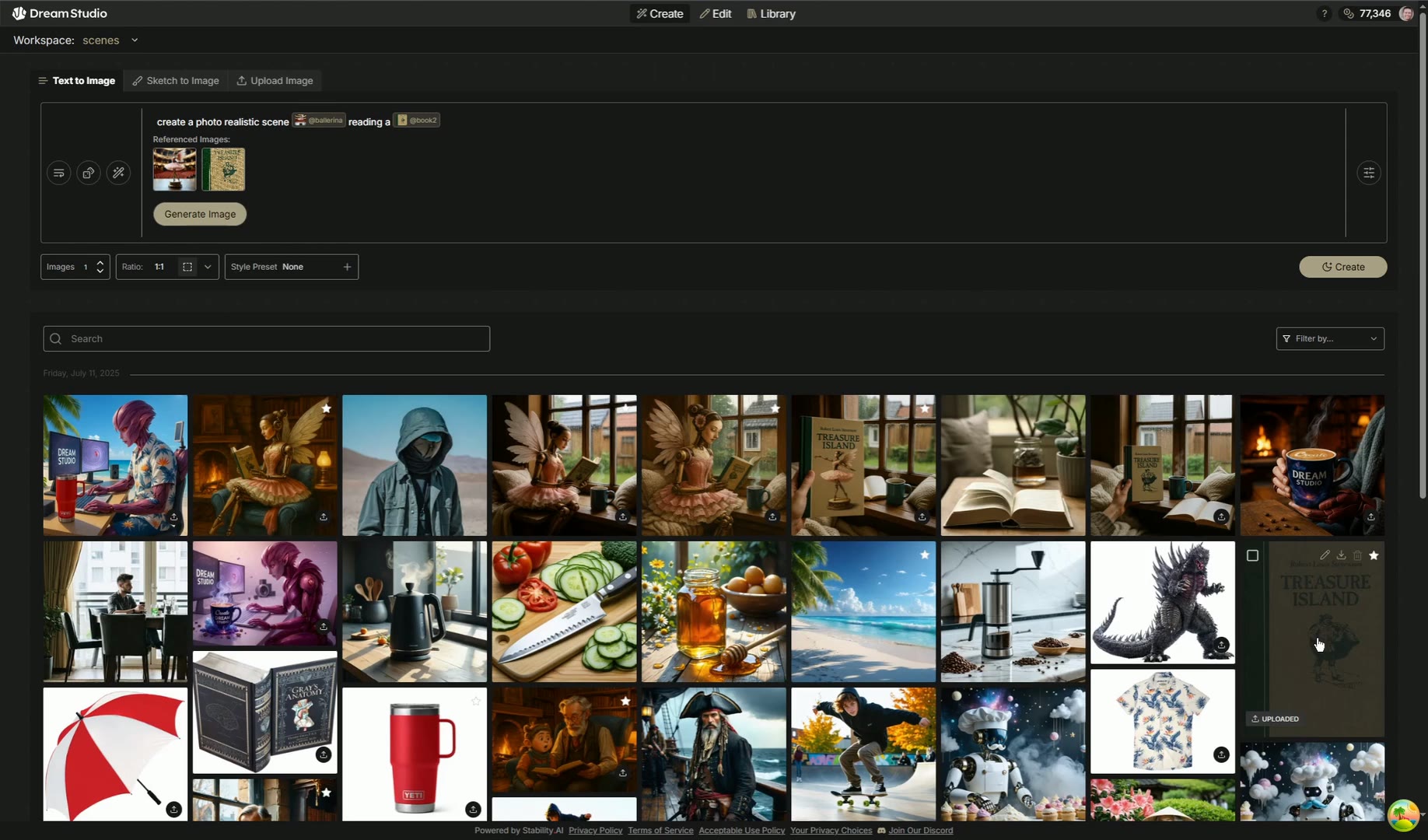
Since 2024 I have been at Stability AI building creator tools on generative models, leading the frontend of Brand Studio, formerly DreamStudio, from its early build-out. These recordings are the prototypes as they ran.
Before-and-after comparison in the image details view: a draggable slider over the reference image and the result, with seed, tool and reference strength alongside.
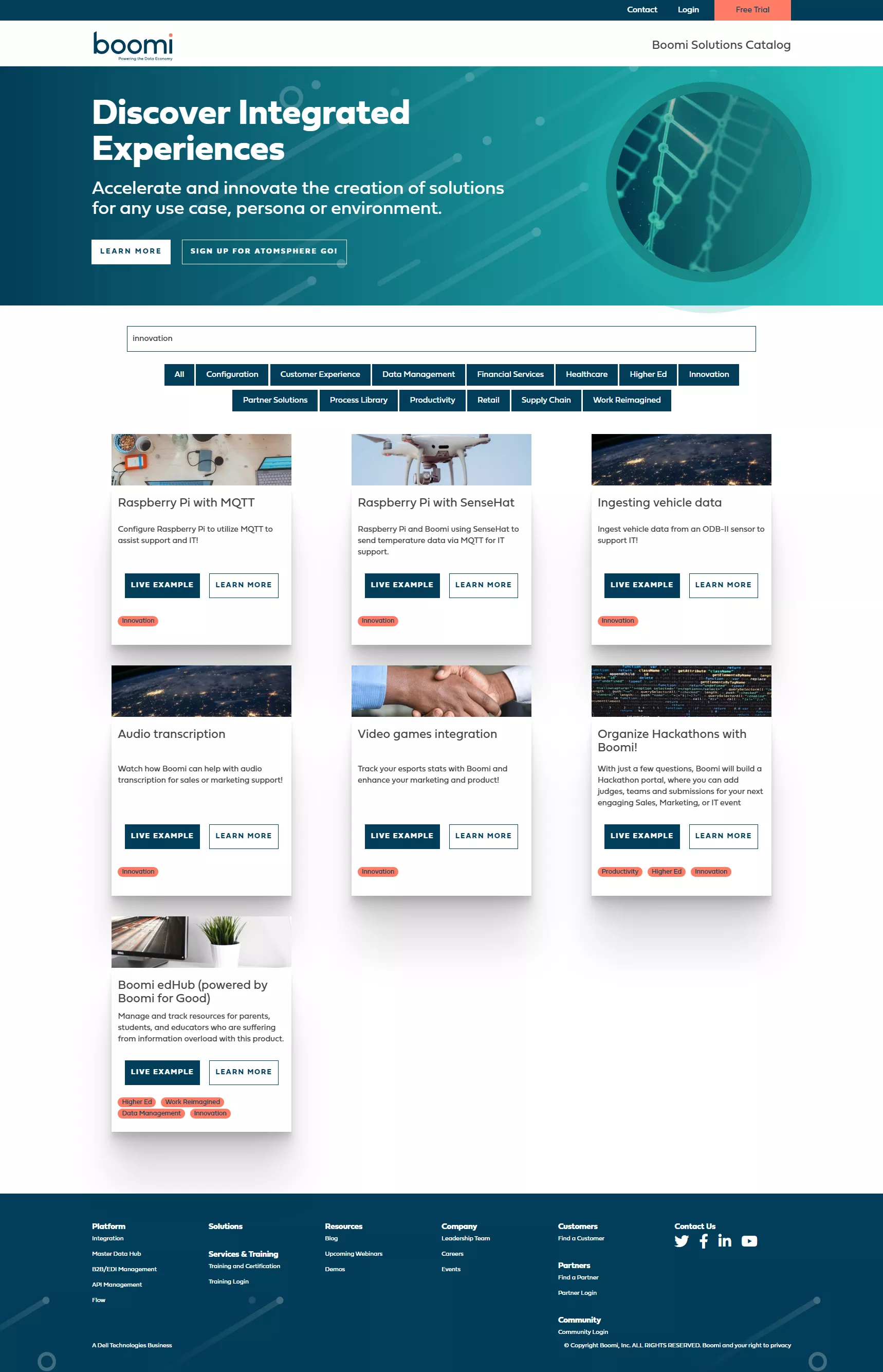
During the height of COVID-19 in May 2020, our VP of Product tasked me with building a hub to highlight all the ways Boomi could benefit businesses. In Phase One, I developed an initial MVP (minimum viable product). In Phase Two, I brought in a colleague, and together we built an admin portal to manage the articles. We integrated parameter-based landing pages, and I added a fuzzy search feature. The landing page gained thousands of visits per day with a bounce rate of only 25%. Its success led to the development of version two, discover.boomi.com.
As a Front-End Developer for the MetLife Stadium project, I helped develop the interior pages and tested the Media Wall on the homepage. Working alongside the Lead Front-End Developer, I collaborated to code and develop solutions using proper version control and effective communication. Through rigorous testing and planning, our team successfully completed the project.
Under a tight turnaround time, our team was assigned to deliver a comprehensive and detailed prototype of the next generation of Xfinity.com for Comcast executives. We were tasked with bringing UI designs to life and expanding upon the designers’ vision. I used HTML for the framework, CSS3 for animations, and JavaScript for interactivity. Additionally, PHP was used to handle templating. It took a team effort to bring this project across the finish line.
Stack
JavaScript, CSS3, HTML5
Layout
Semi-responsive, tablet and desktop
Note
Prototype for Comcast executives, no longer hosted
Xfinity Omnichannel Vertical Buyflow
Our team was tasked with building a rapid prototype for a vertical buy-flow geared towards user testing. The objective was to enable employees and customers to quickly access the monthly recurring price of a package and its add-ons. My role on the project was to build the framework, the interactivity between components, and the modular styling. I used vanilla JavaScript, HTML, and SCSS to complete this prototype.
Stack
HTML5, Sass, CSS3, JavaScript
Layout
Semi-responsive, tablet and desktop
Xfinity Appointment Scheduler
I developed a tablet-based rapid prototype for an A/B test to gather feedback on ease of use and to determine whether a fixed footer was a hindrance or provided valuable information. The prototype was built using HTML, SCSS, JavaScript, and the Web API’s sessionStorage for carrying over data.
Stack
HTML5, Sass, CSS3, JavaScript
Layout
Semi-responsive, tablet and desktop
Railroad Construction Company
As the Lead Front-End Developer, I was tasked with creating a multi-themed, responsive website that involved four lines of business. The project required reusable modules and styling to allow for rapid updates and a quick turnaround. It was built with HTML, JavaScript, and SCSS.